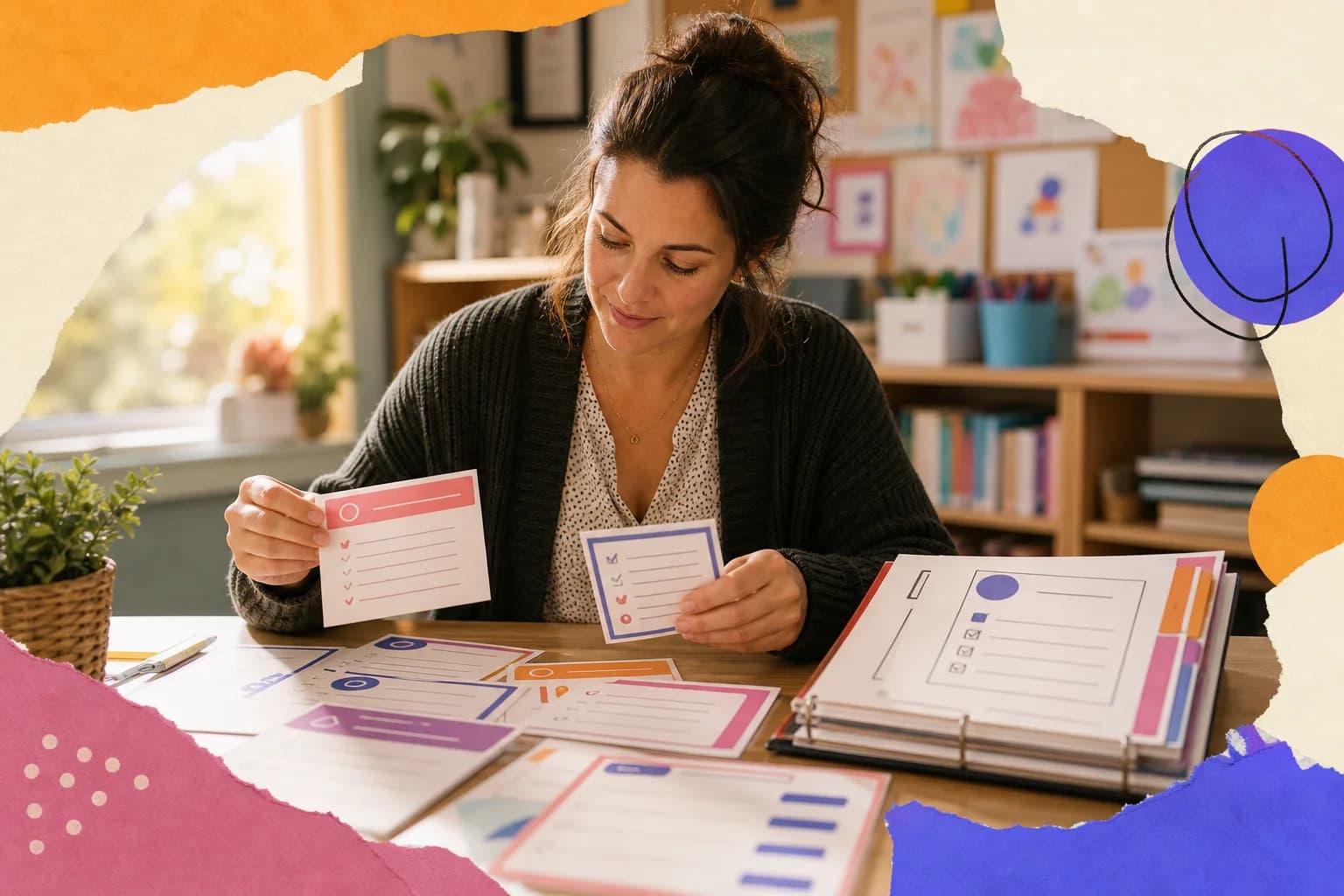
Goal banks have a bad reputation in some districts, and the reason is fair: a goal copied verbatim for six different students isn't individualized, and a reviewer can spot it instantly. But the answer isn't to write every goal from a blank page at 9pm. The answer is to use a goal bank the way a chef uses a base recipe — as structure you then adjust to the student in front of you.
What a goal bank is actually good at
A well-written template gives you three things that are genuinely hard to produce from scratch under time pressure: correct grammatical structure (condition, behavior, criterion, measurement), an appropriate measurement method for that skill area, and a realistic criterion format. Those are the parts that don't vary much between students. What must vary — the baseline, the target level, the timeline, and often the condition — is exactly what you fill in.
Rule of thumb: the template supplies the skeleton and the measurement method. You supply the numbers, the supports, and the timeline. If you changed nothing, you didn't individualize.
The four fields you must always change
- Baseline — pull it from your own data, not from the template. This is the single strongest signal that a goal is individualized.
- Target — set it from the baseline and the student's rate of progress, not from a generic grade-level norm.
- Condition — does this student need a graphic organizer? Extra time? A read-aloud? The condition is where accommodations live.
- Timeline — annual goals are annual, but the specific date drives your progress-monitoring schedule.
How to pick the right template
Start from the present levels, not from the goal bank. Read your assessment data and write one sentence describing the gap in plain language — “can decode but can't identify which operation a word problem needs.” Then search the bank for that skill, not for the subject. Searching “math” gives you forty templates; searching “word problems” gives you the two that fit.
When a template is the wrong tool
Some students need goals no bank contains — a specific communication device, an unusual medical accommodation, a highly individualized transition outcome. When the closest template requires more than about a third of its words rewritten, start from the five-component structure instead and write it fresh. A template you've mangled is worse than a clean sentence you built yourself.
74 free measurable goal templates
Our goal bank is free, requires no account to browse, and covers reading, written expression, math, communication, social-emotional, behavior, executive functioning, fine motor, and adaptive/life skills across grade bands K-2 through 9-12. Every template follows the condition-behavior-criterion-measurement structure and names its measurement method explicitly, so you can see exactly what data you'd be committing to collect.
If you would rather describe the need in plain language and review a structured draft, IEP Studio's goal writer does that too. Student names are not required, and you should not enter identifying details in free-text fields.